


Dr Forest
Organic Rose Fertiliser
Couldn't load pickup availability
- ✓Free UK delivery on orders over £40
- ✓Handcrafted and dispatched from Stockport
- ✓Made with organic ingredients
- ✓No-quibble returns
Dr Forest customers rate us 4.96/5 · 3,543+ reviews & ratings across Shopify, Amazon, Google, Trustpilot and eBay
Rose & Flower Fertiliser — 5-3-5 NPK, Made with Organic Ingredients
Dr Forest Rose & Flower Fertiliser is a slow-release organic coarse powder handcrafted in Stockport, Greater Manchester, exclusively for roses and flowering plants. The 5-3-5 NPK ratio balances vigorous cane and stem growth with the sustained potassium supply needed for bloom production, colour intensity, fragrance and repeat performance across a full season — without the high-nitrogen excess that pushes leafy growth at the expense of flowers.
From first bud break in March to the final autumn flush — premium organic ingredients working across the full season. Fermented biochar and EM microorganisms improve soil biology permanently with every application. Yorkshire Polyhalite delivers four nutrients simultaneously from a single North Yorkshire mineral. Alfalfa Meal contributes triacontanol, the natural compound prized by rose growers for its effect on bud count and fragrance intensity. This is a fertiliser that improves the soil it feeds, not just the plants above it.
What it does for your roses
Unlike fruiting plants that benefit from a high K:N ratio (2:1 or more), roses simultaneously produce substantial vegetative structure — canes, laterals, leaves — and flowers across a long season. Equal N and K at 5% provides the balanced support for both. Phosphorus is intentionally modest at 3%: established roses have deep root systems and do not need high P, and excess phosphorus in the slightly acidic soils roses prefer can interfere with micronutrient uptake. This is a formula calibrated for how roses actually grow — not derived from a general-purpose template.
Ingredients — What They Are and Why
Every ingredient contributes a specific, research-backed function. The formula combines traditional organic inputs — long proven by rose growers — with premium regenerative ingredients that permanently improve soil biology. No fillers. Nothing inert.
Directions for Use
Rates are calibrated for the 5-3-5 NPK formula. All g/m² rates assume even surface distribution over the full root zone with light incorporation to 2–3cm depth. For new plantings or beds being prepared for the first time, apply at double the standard rate and work into the full planting depth before setting the plants in.
How to Apply
Rates — Garden Roses
| Rose Type | Rate per m² / plant | Applications per Season | Timing |
|---|---|---|---|
| Hybrid Tea roses | 80–100g per m² | 3–4 applications | Late March · late May · late June · early August (stop after early August) |
| Floribunda roses | 80–100g per m² | 3–4 applications | Late March · late May · late June · early August (stop after early August) |
| Shrub roses (incl. English roses) | 80–100g per m² | 3 applications | Late March · June · late July (stop after late July for most shrubs) |
| Climbing roses | 90–110g per m² | 3–4 applications | Late March · late May · late June · early September (wall warmth extends hardening) |
| Rambling roses | 80–90g per m² | 2 applications | Late March · immediately after flowering (July–August). Once-blooming — no mid-season feed needed. |
| Miniature roses | 50–65g per m² | 3–4 applications | Late March · May · July · early August. Lower rate due to smaller root zone. |
| Ground cover roses | 70–80g per m² | 2–3 applications | Late March · June · (optional) early August for repeat-flowering varieties |
Rates — Containers & Pots
| Situation | Initial Charge | Top-Dress | Notes |
|---|---|---|---|
| Pots & containers | 3–4g per litre of compost | 2g per litre · every 4 weeks | Mix the initial charge evenly through the full compost volume before planting. 3g/L for compost already containing slow-release nutrients; 4g/L for plain or peat-free mixes. |
| Standard rose pot (15–20L) | 45–80g | 30–40g · every 4 weeks | Apply around the inner perimeter of the pot, not mounded at the stem base. |
New Plantings — Soil Preparation
| Situation | Rate | Method |
|---|---|---|
| Bed preparation (pre-planting) | 100–140g per m² | Fork into the top 15–20cm before planting. This charges the root zone before the plant goes in — particularly important in rose beds that have not been fed for several seasons. |
| Individual planting hole | 30–50g per plant | Mix into the soil removed from the planting hole before backfilling. Do not place fertiliser in direct contact with the roots — mix thoroughly with soil first. |
Growing Roses — A Guide for New Growers
Roses have a reputation for being difficult. In practice, the basics are straightforward — and understanding them makes the difference between a plant that survives and one that thrives. This guide covers the main rose types, the seasonal feeding rhythm, and what to watch for through the year.
Rose Types — Which One Do You Have?
Roses fall into a small number of groups with meaningfully different growing habits. Knowing your type helps you feed and prune at the right time.
The Seasonal Feeding Calendar
Timing matters as much as rate. Here is when to feed, what to look for, and what not to do at each stage of the year.
| Month | What the Rose is Doing | Feeding Action | Notes |
|---|---|---|---|
| January–February | Dormant. No leaf, minimal root activity. | Do not feed. | Use this time to prune (late February for most), clear old mulch, and check for overwintering pests and disease debris. Apply a fresh mulch of well-rotted compost after pruning. |
| Late March | First red buds breaking. Root activity resuming. | First feed of the season. | The trigger is bud break — visible red buds emerging from the canes. Apply around the drip line at the full season rate. This is the most important application of the year — it charges the root zone before the main growth flush begins. |
| April–May | Rapid cane and leaf extension. Bud initiation. | No feed needed if late March was done. | Watch for aphids on soft new growth — the chitin in Mealworm Frass will be priming SAR responses but this takes a few weeks. A seaweed liquid spray (not this product) can boost the SAR activation. Check soil moisture and water deeply if dry. |
| Late May | Buds swelling. First flush approaching. | Second feed (4–5 weeks after March). | Critical timing — nutrients applied now will be available in the flower itself. This application directly determines bloom size, petal substance and fragrance intensity in the first flush. Do not skip this one. |
| June | Main flush flowering. Deadheading begins. | No feed during peak flowering. | Deadhead spent flowers promptly — removing the developing hip redirects the plant's energy from seed production back to bud initiation. On ramblers, note which canes are carrying flowers this year: these will be removed after flowering, not next spring. |
| Late June | First flush ending. New basal shoots emerging. | Third feed (4–5 weeks after May). | This feed sustains the new basal shoots — the strong new canes from the base of the plant — which will carry next year's best flowers. It also initiates the second flush of bloom in repeat-flowering varieties. Ramblers: feed immediately after flowering instead. |
| July | Second flush developing. New canes extending. | No feed unless 5 weeks since last application. | A hot, dry July can cause stress — water deeply at the base rather than splashing foliage. Fungal diseases spread rapidly in humid conditions; ensure good airflow around the plant and remove any heavily infected leaves at the compost bin, not the compost heap. |
| Early August | Peak repeat-flowering. Late basal shoots. | Fourth feed (optional — for repeat-flowering roses only). | This is the last feed of the season for most garden roses. It sustains the late summer and early autumn flowering. Once-blooming roses (ramblers, some old garden roses) do not need this application. |
| Mid-August onwards | Late season flushes. Canes beginning to harden. | Stop all feeding. | Late feeding is one of the most common mistakes with roses. It produces soft new cane growth that cannot harden before the first frosts — this frost-killed growth provides entry points for disease and dieback. Let the plant transition naturally into autumn dormancy from mid-August. |
| September–November | Last flushes. Hips developing. Leaves yellowing. | Do not feed. | Some roses produce attractive hips in autumn — if you want these, stop deadheading in September and let the last flowers set fruit. Clear fallen leaves promptly as they can harbour black spot spores. Do not compost infected leaves. |
| December | Dormant. | Do not feed. | A good time to order bare-root roses for planting in January–March. Bare-root roses are the best-value way to build a rose garden — they establish faster than containerised plants and are significantly cheaper. |
Key Principles for New Rose Growers
The Science Behind the Formula
The 5-3-5 ratio is not a generic template. It reflects the nutritional reality of how roses grow — producing both a substantial woody structure and flowers simultaneously across a season that runs from March to October in the UK.
Potassium and fragrance — the direct relationship
Floral fragrance in roses is produced by volatile terpenoid and benzenoid compounds synthesised in the petal tissue. The terpenoid pathway — which produces the monoterpene geraniol, the sesquiterpene germacrene D, and related rose scent compounds — is potassium-dependent: K activates the enzymes and ATP-producing proton pumps required for terpenoid biosynthesis. Plants with inadequate K or with K supplied from chloride sources produce measurably lower concentrations of these compounds.
Every gram of K in this formula comes from chloride-free sources — Sulphate of Potash and Yorkshire Polyhalite. Muriate of potash (potassium chloride), the dominant K source in most garden fertilisers, delivers Cl⁻ ions that compete with K⁺ at cellular transporters and suppress secondary metabolite synthesis. The fragrance gap between roses fed with chloride-free K formulas and those fed with standard fertilisers is not subtle to anyone who grows both.
Triacontanol and bud count
Triacontanol is a naturally occurring fatty alcohol present in Alfalfa Meal, first identified as a plant growth regulator in the 1970s by Ries and Houtz. Its mechanism involves activation of adenylate cyclase, raising intracellular cAMP levels and triggering cascades that increase the rate of meristematic cell division and secondary metabolite synthesis simultaneously. In rose-specific research, triacontanol application consistently increases the number of axillary buds that break and develop into flowering laterals — translating directly into more flowers per plant per flush. Professional rose growers have used alfalfa meal as a component of feeding programmes for decades; this formula incorporates it as a core ingredient.
Calcium and petal quality
Calcium is a structural component of pectin in cell walls. In rose petals, adequate Ca means walls with sufficient rigidity to maintain petal form throughout the life of the flower — in the garden and after cutting. Low Ca produces petals that lose form rapidly, bruise easily, and absciss prematurely. Gypsum provides immediately available Ca; Yorkshire Polyhalite provides sustained Ca across 50–60 days. The combination ensures Ca is continuously available across the full flowering season, not just immediately after application.
Nitrogen calibration
At 5% N, this formula is at the moderate end of the range for established roses. This is deliberate. Excess nitrogen in roses produces the conditions that create serious problems: the sappy, soft new growth that aphids colonise; the dense, poorly aerated canopy that creates the humid microclimate in which black spot and powdery mildew spread most rapidly; and the vigorous vegetative growth that produces canes and leaves at the expense of bud initiation. The organic nitrogen fractions in this formula mineralise progressively over 6–8 weeks — there is no nitrogen spike, no flush of sappy growth, and no sudden drop. The plant receives a consistent, moderate N supply that sustains growth without overwhelming it.
Systemic Acquired Resistance via chitin
Chitin — present in Mealworm Frass — is detected by pattern recognition receptors in plant cell membranes as a marker of fungal presence or insect feeding. Detection triggers a signalling cascade that activates Systemic Acquired Resistance pathways throughout the plant: salicylic acid accumulates, defence genes are upregulated, and the plant's capacity to mount rapid responses to subsequent pathogen attack is enhanced for weeks. For roses, which face consistent pressure from three major fungal pathogens, this priming effect is meaningfully useful — it does not prevent infection, but it significantly reduces the severity and spread of the diseases that inevitably arrive in a UK summer.
References
- Ries, S. & Houtz, R. (1983) — Triacontanol as a plant growth regulator. HortScience, 18(5), 654–662
- Zörb, C. et al. (2014) — Potassium in agriculture: status and perspectives. Journal of Plant Physiology, 171(9), 656–669
- Bangerth, F. (1979) — Calcium-related physiological disorders of plants. Annual Review of Phytopathology, 17, 97–122
- Craigie, J.S. (2011) — Seaweed extract stimuli in plant science and agriculture. Journal of Applied Phycology, 23, 371–393
- Epstein, E. (1999) — Silicon. Annual Review of Plant Physiology and Plant Molecular Biology, 50, 641–664
- Fransen, K. et al. (2020) — Chitin-induced resistance in ornamental plants against Botrytis cinerea. Plant Pathology, 69(3), 520–531
- Higa, T. & Parr, J.F. (1994) — Beneficial and effective microorganisms for a sustainable agriculture and environment. International Nature Farming Research Center
- Johnston, A.E. & Dawson, C.J. (2018) — Polyhalite as a fertiliser for sustainable farming. Proceedings 826, International Fertiliser Society
- Lehmann, J. et al. (2011) — Biochar effects on soil biota. Soil Biology and Biochemistry, 43(9), 1812–1836
- Nardi, S. et al. (2009) — Physiological effects of humic substances on higher plants. Soil Biology and Biochemistry, 34(11), 1527–1536
Frequently Asked Questions
Share


Often bought with this
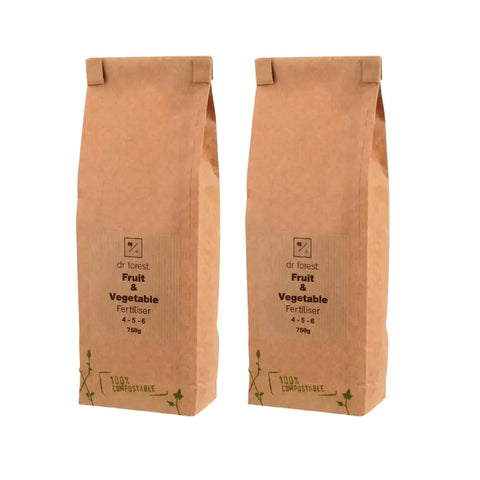

Organic Tomato Fertiliser | Slow Release 3-4-6
A slow-release 3-4-6 feed for tomatoes.
from £11.50

Strawberry Fertiliser | Organic High Potash
A high-potash slow-release feed for strawberries.
from £11.50