Rock dusts, biochar and mineral amendments that build soil structure, trace element reserves and water-holding capacity. The foundation everything else builds on.
-
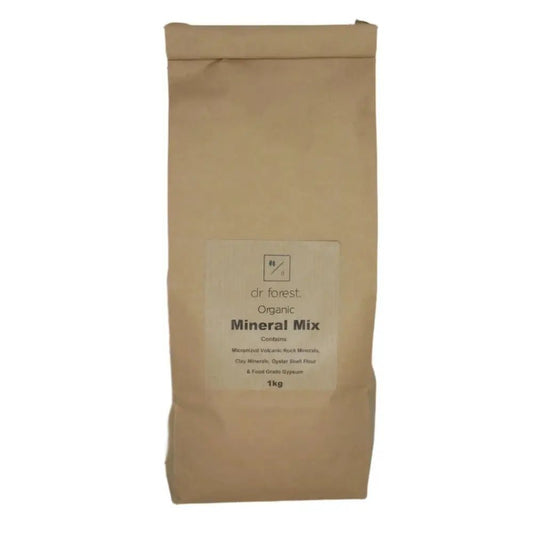
Mineral Mix for Plants | Trace Micronutrients
Regular price From £11.99Regular price -
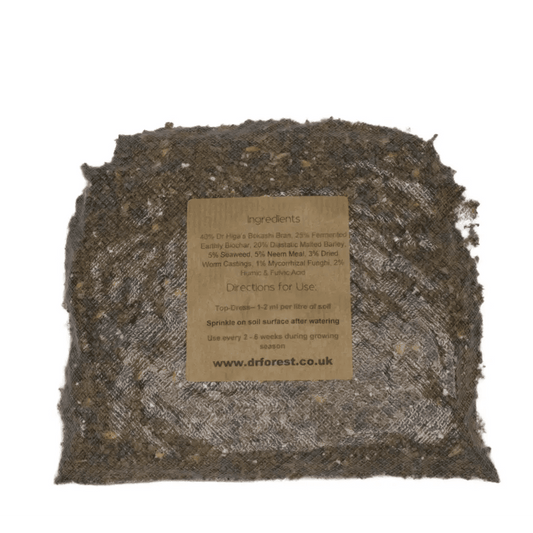
Grow-Kashi Bokashi | Organic Soil Conditioner
Regular price From £7.50Regular price -
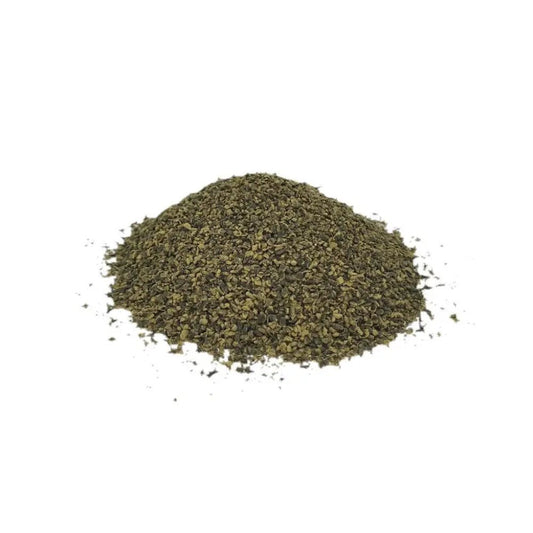
Seaweed Plant Food | Scottish Kelp Meal
Regular price From £10.89Regular price -
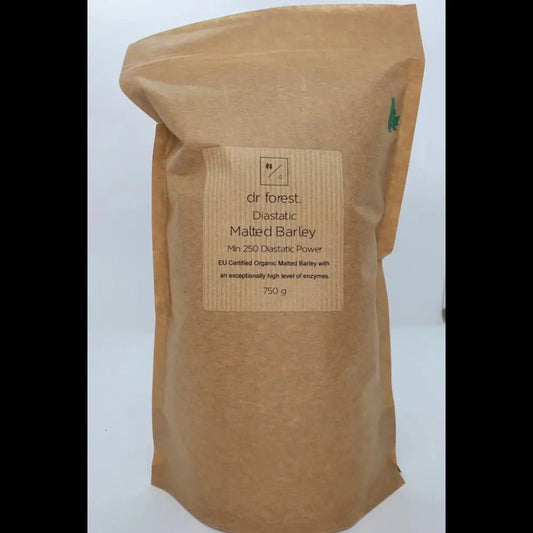
Organic Malted Barley | Diastatic Enzyme Boost
Regular price From £10.99Regular price -
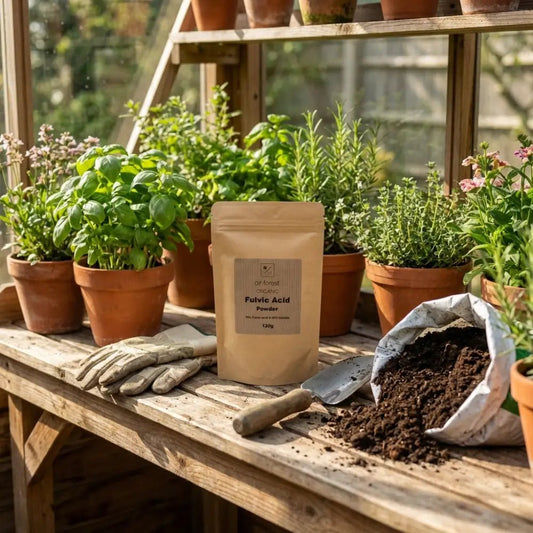
Fulvic Acid Powder | 70% Fulvic Biostimulant
Regular price From £6.49Regular price -
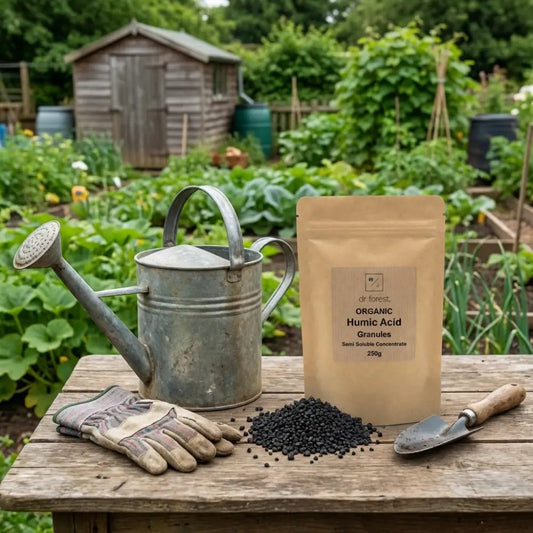
Humic Acid Flakes | 70% Humic, 100% Water-Soluble
Regular price From £7.99Regular price -
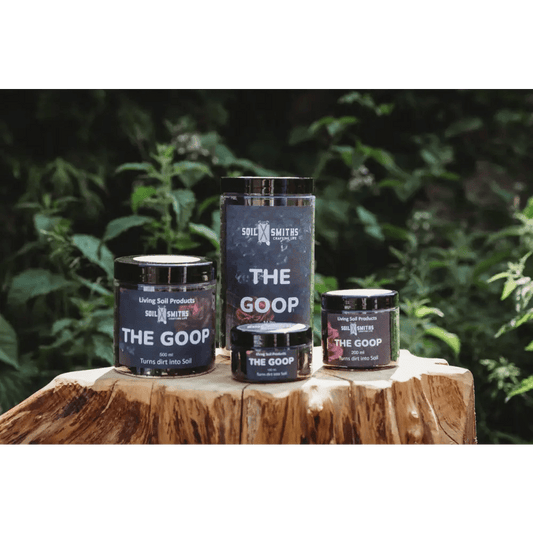
Soil Smiths The Goop | Microbial Inoculant
Regular price From £21.00Regular price -
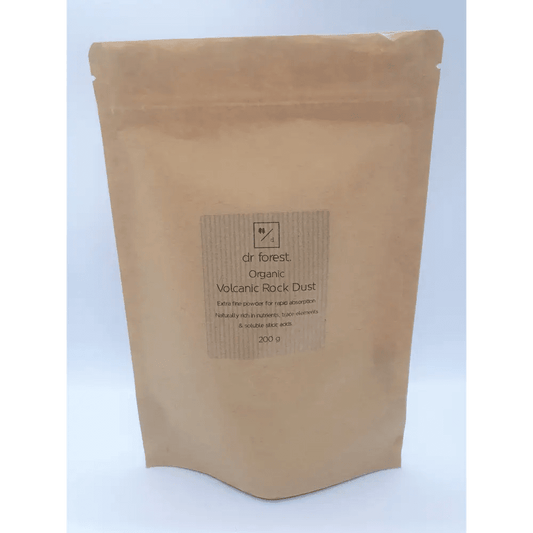
Volcanic Rock Dust | Micronised Basalt, 60+ Minerals
Regular price From £5.99Regular price -
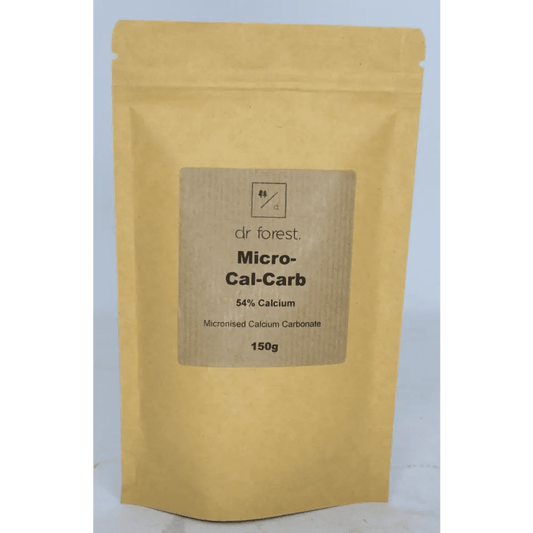
Garden Calcium Carbonate | Lime Alternative
Regular price From £7.00Regular price -
Liquid Gypsum | Calcium Feed & Clay Soil Conditioner
Regular price From £12.99Regular price -
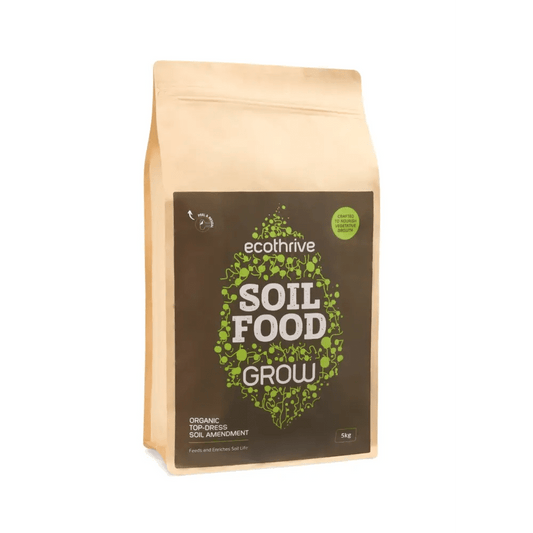
Ecothrive Soil Food | Organic Top Dressing
Regular price From £14.95Regular price -
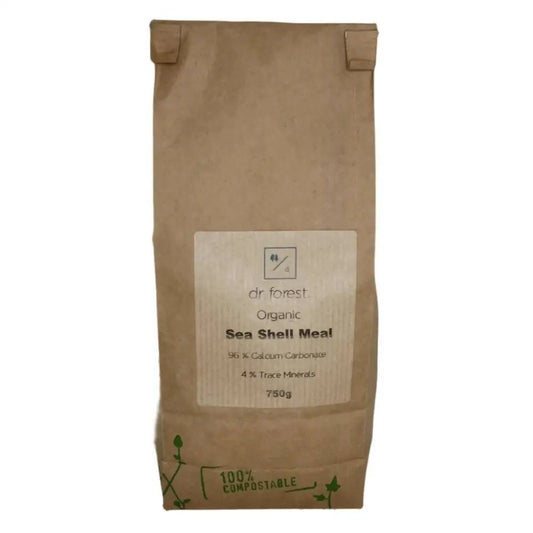
Sea Shell Meal | Organic Calcium Lime Feed
Regular price From £11.00Regular price -
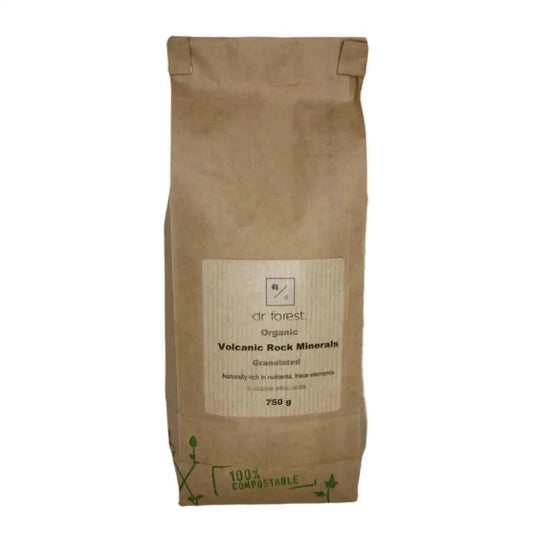
Granulated Rock Dust | Volcanic Basalt, Slow-Release
Regular price From £11.00Regular price -
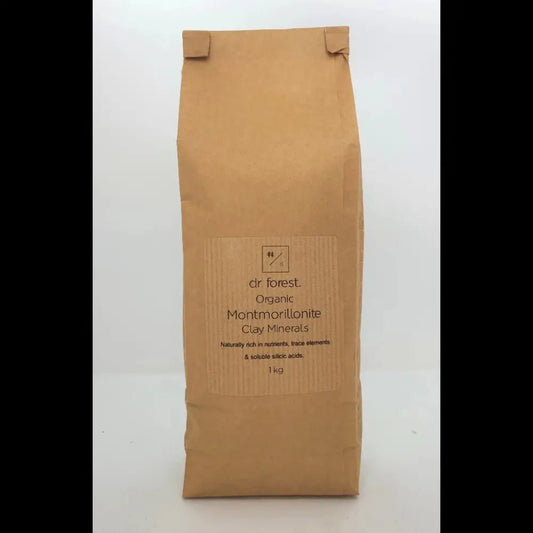
Montmorillonite Clay | Soil CEC Booster
Regular price From £11.00Regular price -
Granulated Gypsum | Clay Soil Conditioner & Calcium Sulphur Feed
Regular price From £10.49Regular price -
Sulphur Soil Acidifier | 90% Sulphur Bentonite Pastilles | Lower Soil pH
Regular price From £7.00Regular price
















Soil improvers and soil conditioners: build the soil first
A fertiliser feeds the plant. A soil improver, also sold as a soil conditioner, improves the thing the plant is growing in: structure, drainage, aeration, biology and the mineral reserve. The two names describe the same job and we use them interchangeably here. Soil improvers are the slow half of gardening, and most people skip them. Get the soil right and every feed you apply afterwards works harder for less. That is the order of operations, and most gardeners do it the other way round.
Whether you are working heavy clay soil, thin sandy soil, chalky soil or ground walked on for twenty years, the job is the same: give the soil something to hold water and nutrients with.
Rock dust, and what volcanic rock dust adds
Rock dust is finely ground rock applied to the ground as a mineral amendment. As the particles weather they release the elements the parent rock was made from, over years rather than weeks. Volcanic rock dust is the version worth the money: basalt weathers comparatively quickly for a rock and carries a broad set of elements rather than one or two.
Grade is the main decision. Micronised rock dust has far more surface area, so it becomes available faster. Granulated spreads evenly, does not blow about, and releases over a longer period. Neither is a feed. The full case, with the peer-reviewed evidence, is in the volcanic rock dust guide.
What is in this collection
- Rock dust, and volcanic basalt dust. Micronised basalt dust for fast availability and granulated basalt for slow release. Over sixty trace minerals and a silicon source, which is the element NPK fertilisers leave out entirely.
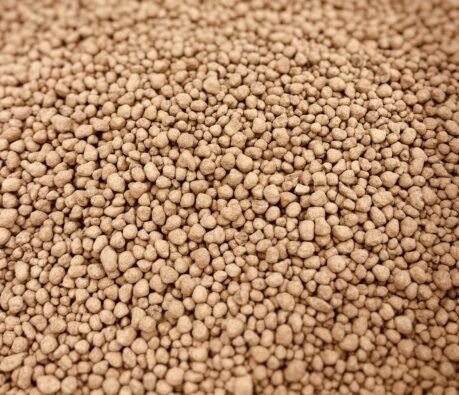
- Clay minerals. Montmorillonite clay raises cation-exchange capacity, water retention and microbial habitat. The single most useful amendment for light or sandy soil.
- Calcium and pH. Micronised calcium carbonate and sea shell meal for slow calcium with a gentle pH lift; granulated gypsum and liquid gypsum for calcium and sulphur with no pH change at all; sulphur to bring pH down for blueberries and ericaceous planting. If you are not sure which direction you need, this guide covers both.
- Carbon and biology. Humic acid flakes for cation exchange and water holding, fulvic acid powder for mineral uptake, diastatic malted barley to fuel beneficial fungi and speed decomposition, and Grow-Kashi as a fermented probiotic top-dress.
- Marine and mineral. Scottish kelp meal for trace elements and natural growth promoters, and the trace element mineral mix, which brings volcanic rock, clay, oyster shell and gypsum together in one bag.
What they actually do
- Break up compacted clay, and bind sandy soil into something with structure.
- Hold more water, which means fewer waterings and better drought resilience.
- Improve aeration and drainage so roots can breathe.
- Feed earthworms, fungi and bacteria, which is the engine of the whole thing.
- Restore trace minerals that decades of cropping have stripped out.
- Build fertility measured in seasons rather than weeks.
Matching a soil improver to your soil
Start with the problem you have, not the longest ingredient list.
Clay soil
Clay soil holds nutrients well and water far too well. The problem is structure, not fertility, so adding more feed to a clay soil rarely helps. Gypsum, sold as a clay breaker, is the first thing to reach for: calcium sulphate flocculates clay particles into crumbs and opens the structure without shifting pH the way lime would.
Compacted soil
Compacted soil is a physical problem before it is a chemical one: the air spaces have been crushed out, roots cannot get down and water sits on the surface. Gypsum and granulated basalt work into the profile gradually, while malted barley and Grow-Kashi feed the fungi and worms that do the real excavating. Nothing you pour on will decompact a path in one season.
Sandy soil
Sandy soil drains beautifully and holds almost nothing. Feeding it can feel like pouring water through a sieve, because the cation-exchange capacity is too low to retain what you apply. Montmorillonite clay is the most useful amendment here, with humic acid alongside it, both giving nutrients something to bind to instead of washing past the roots.
Chalky soil
Chalky soil is shallow, free-draining and alkaline, and the high pH locks up iron and manganese, which is why plants on chalk often look pale by midsummer, and chelated liquid micronutrients are the quickest way to put those back. Sulphur brings the pH down slowly and needs repeating. Humic acid and clay minerals give a thin soil something to hold onto. Ericaceous planting is hard work on chalk whatever you add.
How and when to apply
When preparing beds in spring or autumn, when potting on, or as a yearly top-dress. Most soil improvers here are slow release: a single application can support soil structure for one to three years. Pair them with humic and fulvic acid for the strongest soil-building results, or with microbial inoculants if you are rebuilding biology from scratch. Rates are on every product page.
Everything here is blended by hand in small batches in Stockport.
Autumn and winter soil improvement
Autumn is the best time of year to apply most of this range. The ground is still warm, there is rain to carry material down, and a slow amendment has the whole winter to weather. A winter soil improver is really just a slow one applied early: rock dust, granulated gypsum, sea shell meal and slow-release humates sit in the ground through the cold months and are ready when roots start moving in March.
A bare bed loses structure to winter rain, so a late-autumn top-dress earns its keep twice, protecting the surface and feeding the soil. There is no need to dig it in. If the ground is frozen or waterlogged, wait; walking on wet soil undoes more than a conditioner can put back.
Common questions
Are soil improvers the same as fertilisers?
No. Fertilisers feed the plant, conditioners improve the soil itself. They do different jobs and work best together.
What is a soil improver?
The same thing as a soil conditioner. The terms are used interchangeably, and both cover anything applied to improve structure, water holding, biology or the mineral reserve rather than to feed the plant directly.
What is basalt dust, and what does it do?
Finely ground volcanic basalt rock. As it weathers it releases silicon, calcium, magnesium, iron and a broad set of trace elements that most fertiliser programmes never supply. It is a remineralising amendment rather than a feed, so think in years rather than weeks.
How often should I apply rock dust?
Once a year is usually enough, typically autumn or early spring. Micronised grades become available faster than granulated, which is the main reason to choose between them.
Can I apply a soil improver in winter?
Yes, as long as the ground is neither frozen nor sodden. Late autumn to midwinter suits the slow mineral amendments well, because they need time to weather before spring asks anything of them.
Can I use these in a no-dig garden?
Yes. Everything in this range suits no-dig and living soil systems. Apply as a top-dress and let the worms take it down.
My soil is heavy clay. Where do I start?
Gypsum, in either form. It supplies calcium sulphate, which flocculates clay particles and opens the structure, without shifting pH the way lime would. Follow it with montmorillonite or organic matter once water is moving through. The full set is in clay soil.
What is cation-exchange capacity, and why does it matter?
It is a measure of how much nutrient your soil can hold onto rather than lose to drainage. Sandy soils have low CEC, which is why feeding them can feel like pouring water through a sieve. Clay minerals and humic acid both raise it.
Do I need all of these?
No. Start with one thing that matches your problem: basalt dust for depleted soil, montmorillonite for sand, gypsum for clay, sulphur or calcium carbonate for pH. Add from there over a season or two.