Skip to product information
1 of 2

Dr Forest

Organic Bokashi Bran UK | EM Compost Activator

Organic Bokashi Bran UK | EM Compost Activator

Regular price £14.50 GBP
Regular price Sale price £14.50 GBP
Sale Sold out
Shipping calculated at checkout.
Size
Quantity

Dr Higa's Bokashi Bran — fermentation starter for kitchen composting with effective microorganisms

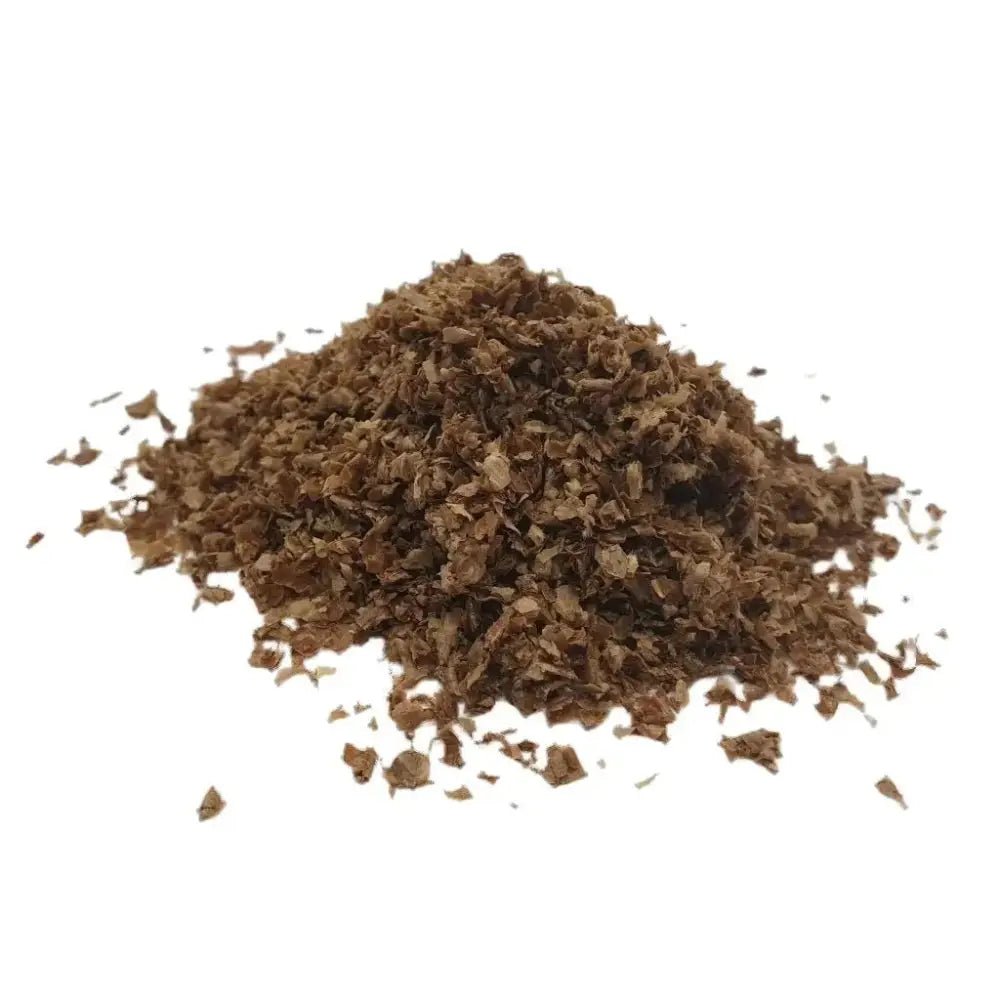
Dr Higa's Original EM Fermentation Starter 100% Compostable Packaging Kitchen Composting Odour Control Zero Plastic

Bokashi is a Japanese fermentation method that turns kitchen waste — including cooked food, meat, fish, dairy, and all vegetable scraps — into a nutrient-rich soil amendment in weeks rather than the months required by conventional composting. The process is simple: layer your food waste in an airtight bin, sprinkle bokashi bran over each layer, seal the lid, and leave it to ferment at room temperature. Within 2–3 weeks the scraps are fully fermented. Bury them in your garden and they will decompose into soil within a further 2–4 weeks. The result is a concentrated, microbe-rich compost that feeds both your plants and your soil biology.

This is Dr Higa's original bokashi bran — made with genuine EM-1 (Effective Microorganisms) developed by Professor Teruo Higa at the University of the Ryukyus, Okinawa. The bran is inoculated with a carefully selected consortium of lactic acid bacteria, yeasts, and photosynthetic bacteria that work together to ferment organic matter anaerobically. These are the same microbial groups used in yoghurt, sourdough, sauerkraut, and wine-making — safe, natural, food-grade organisms that have been used in fermentation for thousands of years.

We purchase this bran in small, regular batches from the UK distributor to ensure it is always fresh and biologically active. It is the only bokashi bran on the market sold in 100% compostable packaging — no plastic bags, no plastic tape, no plastic boxes. The packaging itself can go in your green food waste bin or even into your bokashi bin. Packaged in Stockport by a small family-run business.

2–3Weeks to Ferment
2–4Weeks to Soil
100%Compostable Pack
ZeroPlastic

What bokashi bran is used for

  • Kitchen waste composting — including cooked food, meat, fish and dairy — the only composting method that safely handles all food waste types; conventional compost bins cannot process cooked food, meat, or dairy without attracting rats and producing foul odours
  • Indoor composting for flats, apartments and houses without gardens — the sealed bin produces no flies, minimal odour (a mild sweet-sour fermentation smell), and takes up no more space than a kitchen bin; the fermented output can be buried in a pot, planter, or community garden
  • Producing nutrient-rich bokashi tea for plants — the liquid that collects in the base of the bokashi bin during fermentation is a concentrated microbial tea that can be diluted and used as a plant feed and soil drench for houseplants, containers, and garden beds
  • Reducing household food waste going to landfill — food waste in landfill produces methane, a potent greenhouse gas; bokashi fermentation avoids methane production entirely because the process is anaerobic fermentation, not anaerobic putrefaction
  • Building soil biology and organic matter — the fermented bokashi material is teeming with beneficial microorganisms; burying it in soil introduces a concentrated microbial inoculant alongside the organic matter, feeding earthworms and soil biology
  • Winter composting when outdoor bins are too cold — bokashi fermentation works at room temperature year-round; you can continue composting kitchen waste through winter when outdoor compost heaps slow to a standstill
  • Accelerating conventional compost heaps — adding fermented bokashi material to a traditional compost bin provides a microbial kickstart that accelerates the overall decomposition process
  • Soil amendment for vegetable beds, flower beds and containers — the fermented material, once buried and decomposed, adds organic matter, improves soil structure, and feeds the microbial communities that drive nutrient cycling in healthy soil

Why bokashi rather than traditional composting?

Bokashi Fermentation

  • Handles all kitchen waste — cooked food, meat, fish, dairy, bread, and all vegetable scraps
  • Fully sealed and odour-controlled — no flies, no rats, no foul smells
  • Works indoors at room temperature — year-round composting regardless of weather
  • Complete process in 4–7 weeks (2–3 weeks fermentation + 2–4 weeks soil burial)
  • Produces bokashi tea — a liquid microbial feed for plants
  • No methane production — anaerobic fermentation, not putrefaction
  • Introduces beneficial microorganisms directly into the soil

Traditional Composting

  • Cannot safely handle cooked food, meat, fish, or dairy — attracts rats and produces odours
  • Requires outdoor space — not suitable for flats or properties without gardens
  • Takes 6–12 months for usable compost in typical UK conditions
  • Slows dramatically or stops in winter when temperatures drop
  • Requires regular turning and management for best results
  • Can produce methane if conditions become anaerobic through poor management
  • Excellent for garden waste and raw vegetable peelings — complementary to bokashi

The science of bokashi: how fermentation transforms food waste into a soil amendment

Dr Higa's Effective Microorganisms — the biology behind bokashi

Bokashi bran works because of the specific combination of microorganisms inoculated into the bran carrier. Professor Teruo Higa, working at the University of the Ryukyus in Okinawa in the early 1980s, discovered that certain groups of naturally occurring, non-pathogenic microorganisms function differently when combined together than when used in isolation. The combination he developed — now known as Effective Microorganisms (EM) — consists of three primary microbial groups: lactic acid bacteria, yeasts, and photosynthetic bacteria. All of these are food-grade organisms found widely in nature and used in traditional food fermentation for millennia.

The key insight is that these three groups create a self-reinforcing fermentation environment. Lactic acid bacteria produce lactic acid that drops the pH, suppressing pathogenic and putrefying organisms. Yeasts produce vitamins, hormones, and amino acids that support the other microbial groups. Photosynthetic bacteria break down hydrogen sulphide and ammonia — the compounds responsible for the foul odours associated with rotting food — converting them into useful metabolites. When combined in the right proportions on a bran carrier with molasses as a food source, they create a stable, storable inoculant that kickstarts controlled fermentation in any organic material it contacts.


Fermentation — what bokashi does

  • Anaerobic fermentation by lactic acid bacteria — the same process that produces yoghurt, sauerkraut, and silage
  • pH drops rapidly to around 3.5–4.0, creating conditions hostile to pathogens and putrefying organisms
  • Organic matter is preserved rather than decomposed — nutrients are retained in the fermented material
  • No methane production — lactic acid fermentation does not produce methane, unlike uncontrolled anaerobic decomposition
  • The fermented material is biologically stable and safe to handle
  • Once buried in soil, the pre-fermented material decomposes rapidly — soil organisms finish the job in 2–4 weeks

Putrefaction — what bokashi prevents

  • Uncontrolled anaerobic decomposition by putrefying bacteria — the process that makes rotting food smell terrible
  • Produces hydrogen sulphide, ammonia, and methane — toxic gases and greenhouse gases
  • Attracts flies, rats, and other pests to the decomposing material
  • Destroys nutrients through volatile loss — nitrogen is lost as ammonia, carbon as methane
  • Creates conditions favourable to pathogenic organisms including Salmonella and E. coli
  • This is what happens to food waste in landfill and in poorly managed compost bins

The three microbial groups in bokashi bran

01

Lactic Acid Bacteria

The same group of bacteria used to make yoghurt, cheese, sauerkraut, and kimchi. In bokashi, lactic acid bacteria are the primary fermenters — they convert sugars in the food waste into lactic acid, rapidly dropping the pH to around 3.5–4.0. This acidic environment suppresses the growth of putrefying bacteria and pathogens, preventing the foul odours and harmful gas production associated with rotting food. The lactic acid also acts as a natural preservative, stabilising the fermented material until it is buried in soil.

02

Yeasts

The same single-celled fungi used in bread-making, brewing, and wine-making. In the bokashi fermentation, yeasts break down sugars and produce a range of beneficial by-products including B vitamins, amino acids, and bioactive compounds. They also produce ethanol and other antimicrobial metabolites that further suppress undesirable organisms. The yeasts work synergistically with the lactic acid bacteria — each group produces substrates that the other can use, creating a stable and self-sustaining fermentation.

03

Photosynthetic Bacteria

Purple non-sulphur bacteria (PNSB) that are able to metabolise organic and inorganic substances using light energy. Their critical role in the bokashi system is the breakdown of hydrogen sulphide and ammonia — the two compounds most responsible for the foul odours of rotting organic matter. By converting these gases into non-offensive metabolites, photosynthetic bacteria are the reason that a properly managed bokashi bin produces only a mild, sweet-sour fermentation smell rather than the gagging stench of putrefaction. They also produce useful substances including amino acids, organic acids, and growth-promoting compounds.

04

Soil Integration — the Second Phase

Bokashi fermentation is not composting in the traditional sense — it is a preservation and pre-treatment step. The fermented material still looks recognisably like food waste (albeit pickled). The actual decomposition into humus occurs in the second phase: when the fermented material is buried in soil, the resident soil organisms — earthworms, fungi, bacteria — break it down rapidly because the fermentation has already done the hard chemical work of acidifying and partially breaking down the complex organic molecules. This two-phase process is why bokashi material disappears into soil within 2–4 weeks, compared to the months required for unfermented food waste.

05

Bokashi Tea — the Liquid By-Product

During fermentation, liquid collects in the base of the bokashi bin. This liquid — often called bokashi tea or bokashi leachate — contains a concentrated suspension of the EM organisms, their metabolites (organic acids, enzymes, vitamins, amino acids), and dissolved nutrients from the food waste. Diluted at approximately 1:100 with water, it can be used as a microbial soil drench for garden plants, houseplants, and containers. Undiluted, it is an effective drain cleaner — the acidic, microbially active liquid breaks down organic build-up in pipes and drains.

Scientific References

  1. Higa, T. & Parr, J.F. (1994). Beneficial and Effective Microorganisms for a Sustainable Agriculture and Environment. International Nature Farming Research Center, Atami, Japan.
  2. Mayer, J. et al. (2010). How effective are 'Effective Microorganisms (EM)'? Results from a field study in temperate climate. Applied Soil Ecology, 46(2), 230–239.
  3. Boeckel, T.P. et al. (2017). Variability of Effective Micro-organisms (EM) in bokashi and soil. Crop Protection, 99, 105–112.
  4. Christel, D.M. (2017). The use of bokashi as a soil fertility amendment in organic spinach cultivation. University of Vermont Graduate College Dissertations and Theses, 678.
  5. Feed Innovation Services, Wageningen (2013). Fermentation versus composting: environmental impact comparison of large-scale bokashi and traditional composting.

How to use bokashi bran: step-by-step kitchen composting guide

What you need to get started

A bokashi bin (any airtight container with a tap at the base for draining liquid — dedicated bokashi bins are widely available), this bokashi bran, and your kitchen food waste. That is all. No garden required for the fermentation stage — you can do this in a flat, apartment, or any kitchen. You will need access to soil (garden bed, allotment, large planter, or community garden) for the burial stage, or you can add the fermented material to a conventional compost bin.

Step-by-step bokashi composting

  1. Add a layer of food waste to your bokashi bin. Cut large pieces into smaller chunks to speed fermentation. You can add all kitchen waste: vegetable peelings, fruit scraps, cooked food, meat, fish, dairy, bread, rice, pasta, tea bags, coffee grounds — essentially anything that was once food. Avoid large bones, excessive liquid, and non-food items.
  2. Sprinkle a generous handful of bokashi bran over the layer. Aim for a thin but complete coverage — roughly a tablespoon per inch of food waste. Use more bran for meat, fish, and dairy; less for fruit and vegetable scraps. The bran introduces the EM organisms that will drive the fermentation.
  3. Press down firmly and seal the lid. Compress the food waste to remove air pockets — the fermentation is anaerobic (without oxygen), so minimising trapped air improves the process. Close the lid tightly. Open only to add more waste.
  4. Repeat layers until the bin is full. Continue adding food waste and bran in layers each day. Press down each time. Drain the bokashi tea from the tap every 2–3 days (use it diluted on plants or neat down drains).
  5. Seal and leave for 2–3 weeks. Once the bin is full, seal it and leave undisturbed at room temperature for 2–3 weeks. The fermentation happens inside the sealed bin — you do not need to turn, stir, or manage it.
  6. Bury the fermented material in your garden. Dig a trench or hole 20–30 cm deep in a garden bed, empty the fermented bokashi into it, and cover with the excavated soil. Within 2–4 weeks the material will have decomposed completely into the surrounding soil. Alternatively, add the fermented material to a traditional compost bin where it will accelerate the composting process.

Application rates & tips

Bran per layer of food waste

Rate: 1–2 tablespoons per layer (approximately per inch depth of waste)  |  Frequency: Every time you add food waste

Use a generous sprinkle — it is better to use slightly too much bran than too little. Meat, fish, and dairy benefit from a heavier application. Fruit and vegetable scraps need less. If in doubt, add more. The bran is the inoculant that ensures fermentation dominates over putrefaction.

Bokashi tea — plant feed

Rate: Dilute approximately 1:100 with water  |  Frequency: Drain every 2–3 days; use diluted on plants immediately

The liquid that collects in the base of the bokashi bin is a concentrated microbial tea. Dilute approximately one capful or tablespoon per litre of water and use as a soil drench for houseplants, container plants, and garden beds. Use within 24 hours of draining — it loses potency quickly. Do not store.

Bokashi tea — drain cleaner

Rate: Undiluted, poured neat down the drain  |  Frequency: Weekly or as needed

Pour the undiluted bokashi tea directly down kitchen and bathroom drains. The acidic, microbially active liquid breaks down organic build-up in pipes — grease, food residue, and soap scum. This is a practical use for any excess tea you do not need for plants.

Burying fermented bokashi in garden beds

Rate: One bin-load per 1–2 m of trench, buried 20–30 cm deep  |  Frequency: Each time a bin completes fermentation

Dig a trench or series of holes, empty the fermented material, and cover immediately with at least 15 cm of soil. The fermented material is acidic (pH ~3.5–4.0) and should not come into direct contact with plant roots until it has decomposed — allow 2–4 weeks before planting directly into the burial site. Rotate burial locations around the garden to distribute the organic matter and microbial benefit evenly.

Adding fermented bokashi to a compost bin

Rate: One bin-load mixed into the compost heap  |  Frequency: Each time a bin completes fermentation

If you have a conventional compost bin, the fermented bokashi material can be added directly to it instead of burying. The pre-fermented material accelerates the composting process and introduces beneficial microorganisms. Mix it into the centre of the heap and cover with existing compost material.

Signs of successful fermentation

A properly fermented bokashi bin will have a sweet-sour, pickled smell — similar to cider vinegar or silage. You may see white mould on the surface — this is normal and indicates healthy fermentation (it is a beneficial yeast colony, not putrefaction). If the bin smells putrid or rotten, or if you see blue, green, or black mould, the fermentation has failed — usually because the lid was not sealed properly, not enough bran was used, or too much liquid was left in the bin without draining.

Works well combined with…

Bokashi composting is a complementary system, not a replacement for other soil-building practices. Combine with regular additions of Humic Acid Granules to build soil CEC and organic matter. Use the bokashi burial sites as the beds for nutrient-hungry crops like tomatoes, courgettes, and brassicas — the decomposed material provides a rich reserve of organic matter and microbial activity. For container growers without garden space, bury small amounts of fermented bokashi in the bottom third of large pots when repotting — cover with 15 cm of potting soil before planting.

Frequently asked questions about bokashi bran

All kitchen food waste: vegetable peelings, fruit scraps, cooked food, meat, fish, dairy products, cheese, bread, rice, pasta, tea bags, coffee grounds, egg shells, and any other food. This is the key advantage of bokashi over traditional composting — it safely handles cooked food, meat, and dairy without attracting rats or producing foul odours. Avoid large bones (they take too long to ferment), excessive amounts of liquid (drain soups and sauces first), and non-food items (plastic, metal, glass). Small amounts of paper napkins and kitchen roll are fine.
A properly managed bokashi bin produces a mild sweet-sour smell — similar to cider vinegar or pickled vegetables — when you open the lid to add waste. With the lid sealed, there should be no smell at all. This is the entire point of the fermentation process: the lactic acid bacteria suppress the putrefying organisms that cause foul odours. If your bin smells rotten, the fermentation has failed — usually because the lid was not sealed, too little bran was used, or the liquid was not drained frequently enough.
Yes — this is one of bokashi's greatest strengths. The fermentation stage happens entirely indoors in a sealed bin that takes up no more space than a standard kitchen bin. You do need somewhere to bury the fermented material afterwards: a large planter or pot on a balcony, a community garden, an allotment, or a friend's garden all work. Alternatively, some councils accept fermented bokashi in their green food waste collections — check your local council's guidance. You can also add it to a wormery if you have one, though introduce it gradually to avoid overwhelming the worms with the acidity.
White mould on the surface of the fermenting food waste is a good sign — it indicates active fermentation by beneficial yeasts and fungi from the EM culture. It is similar to the white bloom you see on the surface of aged cheese or salami. Do not remove it. If you see blue, green, or black mould, this indicates contamination by undesirable organisms — the fermentation has not established properly. This usually means the lid was not sealed tightly enough, too little bran was used, or the bin was left open too long between additions.
Bokashi tea is the liquid that drains into the base of the bokashi bin during fermentation. It is a concentrated, acidic, microbially rich liquid that contains enzymes, organic acids, vitamins, and beneficial microorganisms. Diluted approximately 1:100 with water (one tablespoon per litre), it makes an effective microbial soil drench for houseplants, container plants, and garden beds. Used undiluted, it is an excellent organic drain cleaner — pour it neat down kitchen and bathroom drains to break down grease and organic build-up. Use within 24 hours of draining; it loses potency quickly.
The total time from first food scraps to finished soil is typically 6–8 weeks. Phase one — filling the bin — takes as long as your household generates food waste, typically 1–3 weeks. Phase two — sealed fermentation after the bin is full — takes 2–3 weeks. Phase three — burial and soil integration — takes a further 2–4 weeks depending on soil temperature and biology. In warm, biologically active soil during summer, the buried material can disappear in as little as two weeks.
Council food waste collections send your scraps to industrial composting or anaerobic digestion facilities — both of which are effective at scale. Bokashi gives you three advantages: you produce the bokashi tea (a free plant feed), you produce the fermented compost (a free soil amendment rich in microorganisms), and you divert food waste from council collection entirely — reducing transport emissions and processing energy. If you garden, the soil-building benefit of burying fermented bokashi in your beds is significant. The organic matter and microbial inoculant it provides would cost considerably more if purchased as separate products.
Keep the bag sealed and store in a cool, dry place out of direct sunlight. The bran contains live microorganisms — they remain dormant when kept dry but will begin to activate if the bran absorbs moisture. Once opened, reseal the bag tightly or transfer to an airtight container. Properly stored, the bran remains active for at least 12 months. If the bran develops a strong sour smell before use, it has begun to ferment in the bag — it is still usable, but try to use it promptly.
View full details