Living cultures — mycorrhizal fungi and effective microorganisms — that colonise the root zone and put the soil food web back to work.
-
Mycorrhizal Fungi Powder | 18 Species, Endo + Ecto
Regular price From £6.99Regular price -
Grow-Kashi Bokashi | Organic Soil Conditioner
Regular price From £7.50Regular price -
Unsulphured Molasses UK | Organic Microbe Food
Regular price From £13.00Regular price -
EM-1 Effective Microorganisms | Probiotic Feed
Regular price £25.00Regular price -
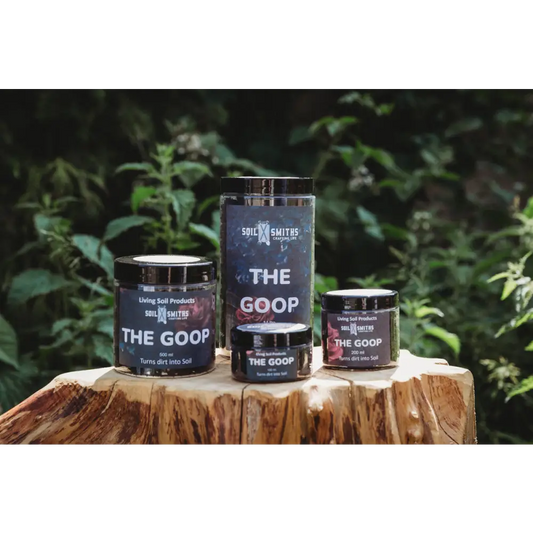
Soil Smiths The Goop | Microbial Inoculant
Regular price From £21.00Regular price




Microbial inoculants
Put the soil food web back to work
Microbial inoculants are concentrated populations of beneficial bacteria and fungi that colonise plant roots and the surrounding soil, forming partnerships that expand root reach, improve nutrient access and build long-term soil resilience. They're especially valuable in containers, new beds, freshly worked soil, or anywhere the natural soil food web has been depleted. The Dr Forest range covers mycorrhizal fungi, EM (effective microorganisms), microbial concentrates and microbe food.
What's in this collection
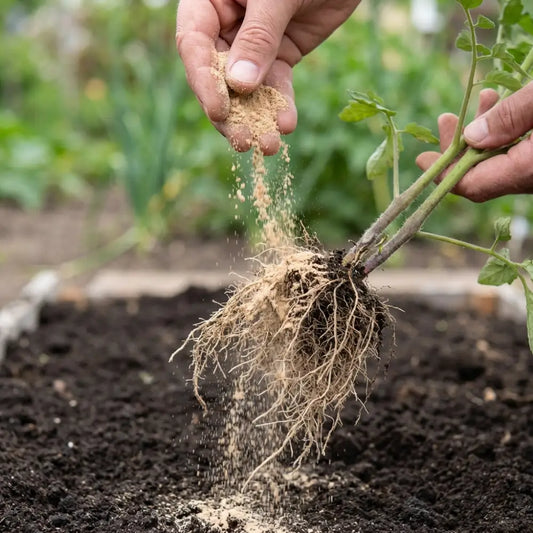
- Mycorrhizal fungi powder: endo and ecto strains that form symbiotic networks with plant roots, helping the plant access water and nutrients further into the soil than its own roots could reach. Apply at planting, dusted directly onto roots.
- EM-1 (Effective Microorganisms): the original Dr Higa blend of beneficial bacteria, yeasts and phototrophs. The foundation of bokashi composting and a powerful soil drench in its own right.
- Microbial concentrates: dense, ready-to-use populations of beneficial organisms for top-dressing, soil drenching and inoculation at planting.
- Instant microbial tea: a brewable inoculant that introduces billions of organisms in a single application, with no overnight aeration required.
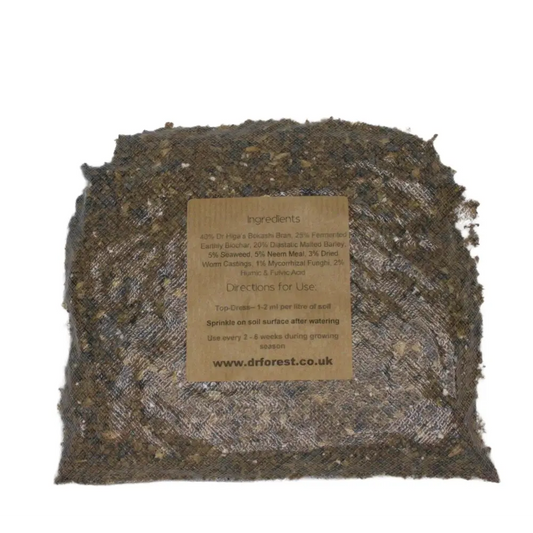
- Grow-Kashi probiotic soil conditioner: a fermented top-dress for established beds and pots.
- Unsulphured sugar cane molasses: the carbon food source beneficial microbes need to multiply once they're in the soil.
When and how to apply
Mycorrhizal fungi work best applied directly to roots at planting or transplanting: dust onto the root ball or sprinkle into the planting hole. EM and microbial concentrates can be diluted as a soil drench; Grow-Kashi and molasses go on as a top-dress. Application rates and frequencies are on each product page. Inoculants pair well with humic acid and soil conditioners for the strongest results.
For more on how soil biology drives plant health, see our volcanic rock dust guide.