What is the best homemade plant food?
Comfrey liquid for fruit and flowers, nettle liquid for leafy growth, and compost for the soil underneath both. Coffee grounds, banana skins and eggshells are better composted than applied directly.
Looking for the full answer? See our organic fertiliser FAQ. If you only need one bag, start with All Purpose 4-4-4. To browse the range, open organic fertilisers.
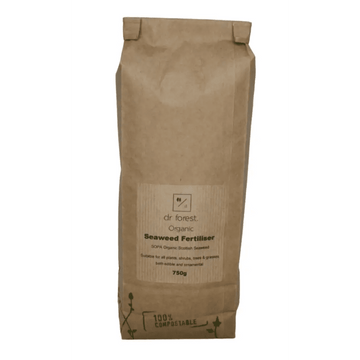
Handcrafted in Stockport
Seaweed Plant Food
Kelp meal, to scatter or to steep. 750g from £10.89
Shop Seaweed Plant FoodThe three that work
Comfrey. Steep the leaves in water for a few weeks and you get a potassium-led liquid well suited to tomatoes, soft fruit and flowering plants. It smells appalling, which is the honest cost of it being free.
Nettle. The same method with young nettle tops gives a nitrogen-led feed better suited to leafy growth early in the season.
Compost. Not a liquid feed at all, but the most valuable homemade material by a distance, because it improves the soil as well as feeding it.
Two more you can steep
If you would rather buy the raw material and brew it yourself, seaweed meal steeps at 50g in 10 litres of water over 24 to 48 hours, and alfalfa pellets at 100g in 10 litres over three to five days with a daily stir. Both are strained and applied as a root drench, and both act faster than scattering the dry material. Alfalfa tea in particular develops a powerful smell as it ferments, so brew it away from doors and windows.
The ones that do not work as well as people think
Coffee grounds. Their nitrogen is bound up in material that takes months to break down, so as a direct feed they do very little. They are a perfectly good compost ingredient.
Banana skins. Frequently recommended as a potassium feed. The potassium is real but it is not available until the skin has rotted, which on the soil surface takes a long time. Compost them.
Eggshells. Sold as a calcium source and as a slug barrier. As a calcium source they are far too slow to matter in a season, because they need to dissolve first. Compost them.
Wood ash. This one does supply potassium, but it also raises soil pH, so use it sparingly and keep it away from ericaceous planting.
The pattern worth noticing. Most kitchen-waste feeds fail for the same reason: the nutrient is genuinely present but locked in material that has to decompose first. Composting is exactly that process, done properly, in one place. Put them on the heap and use the compost.
Or buy the raw material
Seaweed Plant Food
Hand-harvested Scottish kelp meal, scattered dry or steeped at 50g in 10 litres for a trace element drench.
Use dry or steeped · Trace elements · Rates published
Shop Seaweed Plant FoodMore organic fertiliser questions
How do I feed my plants without chemicals?What is the best natural fertiliser?What is the best source of organic fertiliser?Sources
- Royal Horticultural Society. Homemade fertilisers. rhs.org.uk
- Royal Horticultural Society. Organic matter: how to use it in the garden. rhs.org.uk
Soil notes
Get the evidence, not the marketing
Occasional notes from Stockport on feeding, soil structure and what the research actually supports, including the things that turn out not to work.
No spam. Unsubscribe in one click. See our privacy notice.