




Customer highlight
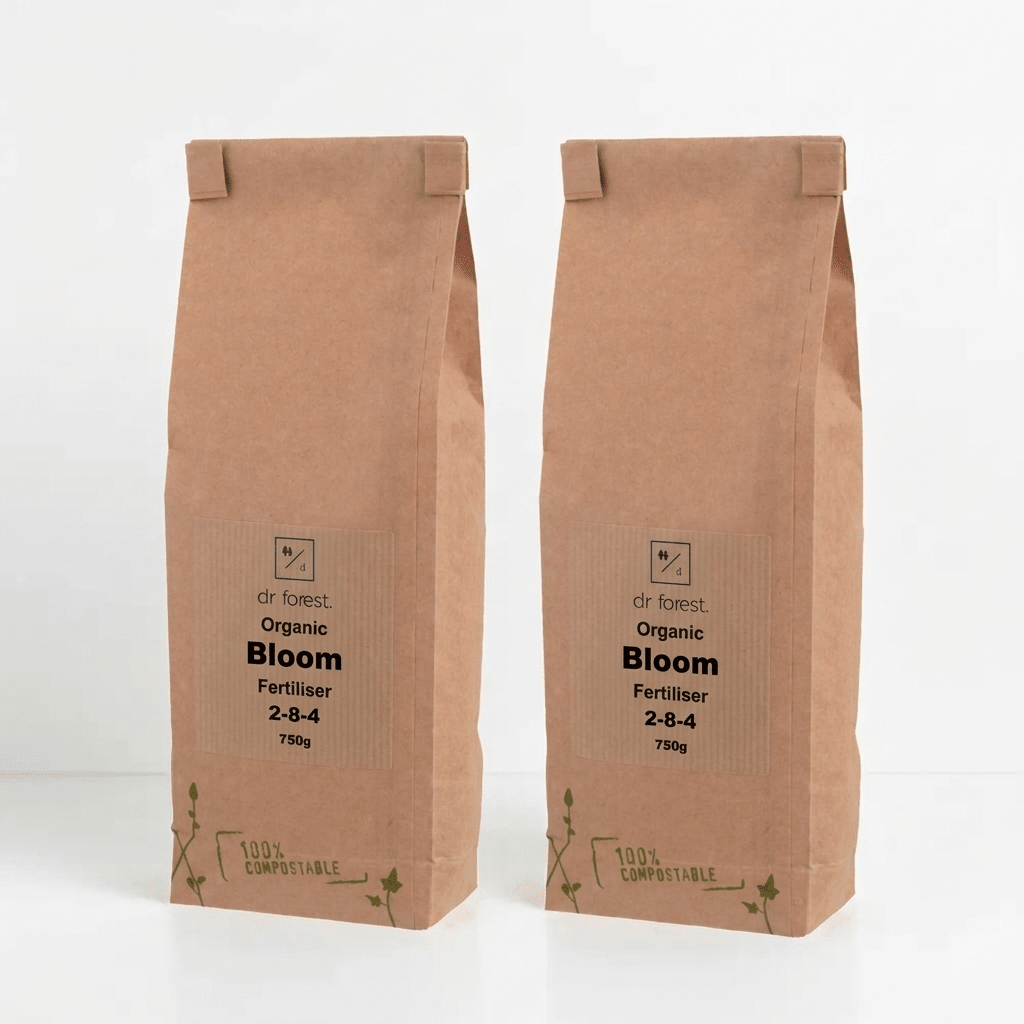
Bloom 2-8-4
I did have a deficiency in one of my plants , this has corrected that and they are looking great! Easy to use for living soil. Good service and keeps you informed on delivery status. Only used the veg for a short time so can’t really comment on that at the moment, I will be coming back that’s for sure!
Editorial highlight from marketplace and store reviews — separate from the full review list below.
Organic bloom fertiliser 2-8-4
When the first flower opens, stop feeding for leaves
If you stage feed, this is for you. Our feeding schedule and calculator pairs Bloom 2-8-4 with All Purpose 4-4-4 week by week. Enter your pot size for exact doses, the bags to buy and the cost per plant.
Magnificent hedge of tomato, dahlia or rose: dark leaf, thick laterals, almost nothing to cut or eat. High-nitrogen feed all summer told the plant to stay vegetative. Sugar went to leaf because that is what the ratio asked for.
Bloom 2-8-4 from Dr Forest is the flowering-stage partner that drops nitrogen on purpose. Low nitrogen, high phosphorus, useful potash — eleven named organic inputs, released as soil life works them, not as a soluble spike that crusts the pot and locks phosphorus to calcium or iron by Tuesday. Bone meal carries the slow phosphorus and a serious calcium fraction; gypsum adds more calcium in a pH-neutral form; chloride-free sulphate of potash steadies fruit quality and flower colour; alfalfa, flaxseed, plant nitrogen, kieserite, Scottish seaweed, humic and fulvic acid, zeolite and fermented biochar fill out the blend. Most liquid “bloom” bottles leave calcium out entirely.
Ease is half the point. Sprinkle it at first bud or first open flower, scratch it in, and water it in — or let the rain do that job. Then leave it two to four weeks (a little sooner on heavy feeders in pots). A liquid bloom booster wants you every Sunday, and if it is already raining you are watering twice. The meals hang on in the root zone better than a bottle that washes through.
What this bag is for
- High-N summer that made a hedge — switch at first flower so energy goes to blooms and fruit, not another flush of leaf.
- Weekly liquid bloom and soluble P that locks up — dry meals and minerals you sprinkle; calcium travels with the phosphorus; no pH juggling as a hobby.
- One mixed bed, many crop names on the sack — tomatoes, dahlias, roses and strawberries in one border share a need once flowering starts: low nitrogen and available phosphorus. The ratio is the common denominator, not the crop label.
- Pots and baskets that fade by August — confined roots and frequent watering empty a fast bottle; top-dress and keep moisture steady.
Build the plant on All Purpose 4-4-4 (or a dedicated growth feed) while it is making leaf and frame. Move to Bloom 2-8-4 when buds and first flowers appear — tomatoes, peppers, chillies, roses, dahlias, strawberries, soft fruit, tree fruit and flowering ornamentals. Next season, the All Purpose & Bloom pair means you never run hedge-making nitrogen all summer by accident.
Dr Forest Bloom vs a typical liquid bloom booster
This bag — dry, slow release from eleven inputs; high phosphorus with calcium and potash built in (calcium that most liquid bloom feeds omit); soil life meters the pace; top-dress every few weeks; ingredients listed.
Typical liquid bloom / tomato bottle — a few soluble salts, a spike then run-off; phosphorus that binds and sits; calcium often missing; weekly mixing — and if the compost is already wet, another liquid feed is another watering.
All Purpose 4-4-4 for the leafy half of the season — this bag is stage two, not a second “all purpose.”
Mineral Mix under a bed that has been cropped hard — meals feed this year; minerals stop the soil going grey by July.
Liquid phosphorus only as an ambulance when a container plant is already stalling dark and purple — not a substitute for the season-long bloom bag.
All Purpose, Bloom & Mineral Mix Trio when you want the leafy-stage bag, this bloom bag and Mineral Mix in one order — 2-8-4 alone is the flowering half of that set.
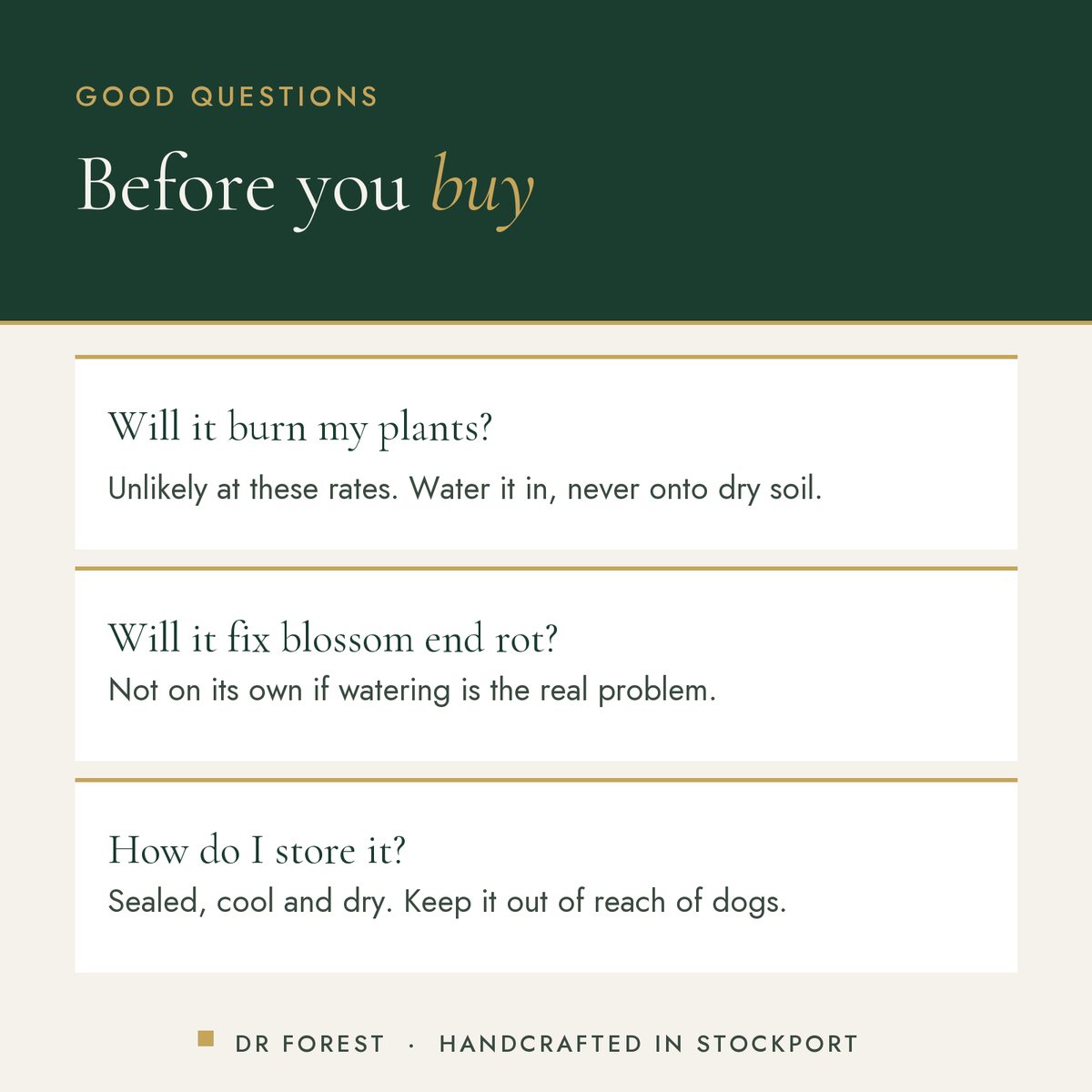
Contains bone meal — not suitable for vegan gardening. Not for lawns or leafy salads. Use after a growth feed, not instead of soil minerals. Will not turn a shaded courtyard into a cutting garden. Will not fix blossom-end rot on its own if water is the real problem — calcium in the bag helps, but uneven watering still wins. If you need zero nitrogen, look at a mineral PK rather than this 2-8-4.
Handcrafted in Stockport. Dr Forest blends organic fertilisers in small batches in Greater Manchester; every ingredient on this bloom feed is listed. Named after Joe’s grandfather, Dr Forrest — a GP who kept a back-garden plot for the runner beans he turned into piccalilli.
Eleven organic inputs, tuned for flower and fruit
This is a multi-input blend, not a two-part salt feed. Every ingredient earns its place — a primary nutrient, a secondary nutrient, or a biological function. Shares below are the proportion of the mix.
Bone meal
The main phosphate source in the blend (bone meal is slow-release). Bone meal supplies phosphorus (around 18% P₂O₅) alongside a large calcium fraction, released slowly as soil acids and microbes work on it. Phosphorus drives flowering, fruit set and root development; calcium builds firm fruit and helps prevent disorders like blossom-end rot. Availability is best in slightly acidic to neutral soil. (Because it contains bone meal, this blend is not suitable for vegan gardening.)
Alfalfa meal
The organic-matter backbone. Alfalfa is the main source of plant-based carbon that soil microbes feed on and turn into humus, and it carries triacontanol, a natural growth promoter, plus a gentle dose of nitrogen and potassium. It keeps the soil biology fed without pushing leafy growth during flowering.
Zeolite
A natural volcanic mineral with an exceptionally high cation exchange capacity. Zeolite acts as a nutrient and moisture reservoir in the root zone, holding potassium, ammonium and calcium against leaching and releasing them slowly to the roots. It also improves aeration in heavier soils and container mixes — so more of the feed reaches the plant and less washes away.
Sulphate of potash
Chloride-free potassium (50% K₂O) with sulphur alongside. Potassium is the fruit-and-flower nutrient — it governs sugar movement, fruit quality, flower colour and water regulation, and the sulphate form avoids the chloride that fruiting crops dislike.
Kieserite
Magnesium sulphate — a steady source of magnesium and sulphur. Magnesium sits at the centre of every chlorophyll molecule, keeping foliage green and photosynthesis strong through fruiting; sulphur supports protein and flavour compound synthesis.
Gypsum
Calcium sulphate — a pH-neutral source of extra calcium and sulphur. It reinforces fruit firmness and cell-wall strength without shifting soil pH, and helps open up heavier soils.
Flaxseed meal
Cold-pressed linseed meal adds organic matter and oils that feed the soil microbiome, plus a small, slow trickle of nitrogen to keep plants ticking over without forcing leaf.
Scottish seaweed
Cold-water Ascophyllum nodosum from the Scottish coast. A biostimulant rather than a headline nutrient source, it supplies cytokinins, auxins, alginates and trace elements that support flowering, fruit set and stress tolerance.
Humic & fulvic acid
Humic acid improves soil structure and root growth; fulvic acid is a low-molecular-weight chelator that binds micronutrients into forms roots can take up. A little goes a long way at flowering, when demand for trace elements rises.
Nitrogen plant extract
A concentrated plant nitrogen (around 13% N), derived from molasses and rich in amino acids. Kept deliberately low in a bloom feed — just enough to sustain the plant without pushing the soft, leafy growth that comes at the expense of flowers.
Fermented biochar
Pyrolysed carbon with a vast internal surface that houses beneficial microbes. Pre-fermented so it is biologically active from day one, it works alongside the zeolite to hold nutrients in the root zone and reduce leaching under heavy watering or rain.
When and how to feed with Bloom 2-8-4
Move to Bloom 2-8-4 as flower buds form and the first flowers open. Before that, use a balanced feed such as All Purpose 4-4-4 for growth. On perennials and roses, start in spring as growth resumes and feed through the flowering season.
Soil mix (before planting or potting on): 5–10 g per litre of soil or compost, worked in thoroughly. Top dress (during flowering and fruiting): 2–4 g per litre of soil, scattered on the surface and watered in. A level tablespoon holds roughly 12–15 g.
Fruiting vegetables
Tomatoes, peppers, chillies, cucumbers, courgettes and aubergines. Start as the first trusses or flowers set and continue through cropping. Water in well — steady phosphorus and potash mean more fruit and better ripening.
Roses, flowering shrubs and ornamentals
Roses, dahlias, chrysanthemums, sweet peas and flowering shrubs. Scatter around the base and lightly work in. Feeds bigger, longer-lasting blooms and encourages repeat flowering.
Soft and tree fruit
Strawberries, currants, gooseberries, raspberries and top fruit such as apples and pears. Apply as flowering starts and again as fruit sets for size and sweetness.
Containers, baskets and outdoor beds
For beds and borders, scatter and work lightly into the top 5–10 cm. For pots and baskets, mix in at planting and top dress as flowering continues. A handful is roughly 40–50 g.
Step by step
- Grow first, then flower. Build the plant with a balanced feed, then switch to Bloom 2-8-4 as buds and first flowers appear.
- Apply. Mix into compost at potting, or top dress around the base of established plants at the rates above.
- Water in. Moisture activates the soil biology that releases the nutrients.
- Keep it going. Top dress on the frequency for the plant type, right through flowering and fruiting.
- Ease off at the end. Stop feeding as crops finish or plants move towards dormancy.
1. Switching too early — feed for growth first, bloom once flowering starts. 2. Expecting an overnight response — this feeds over weeks, not hours. 3. Underfeeding pots — confined roots and frequent watering empty a container fast. 4. Applying to bone-dry soil — always water in. 5. Feeding on past the end of cropping — ease off as plants finish.
Follows on from All Purpose 4-4-4 once plants move into flower. Pair with Sulphate of Potash for an extra potash lift on tomatoes and fruit, and with Seaweed Plant Food for biostimulant support during heat or fruit set.
Keep the bag sealed in a cool, dry place. As a natural product it may vary slightly in colour and texture between batches. It contains bone meal, which some dogs find tempting, so store out of reach of children and pets.
Why less nitrogen and more potash suit the flowering stage
As a plant moves from growth into flower, its needs change. Extra phosphorus does not make more flowers. Easing nitrogen back and lifting potash helps the plant stop running to leaf; phosphate covers what flowering and fruiting still need. Switch to Bloom when flower buds form and the first flowers open, not before. A 2-8-4 ratio is modest nitrogen, a higher phosphate share, and enough potassium for fruit quality.
Because the nutrients are held in organic matter and slow-release minerals rather than soluble salts, soil microbes release them as the plant's roots call for them, and the zeolite and biochar hold them in the root zone between waterings.
Mechanisms of action
Phosphorus for flower and fruit set
Bone meal makes this a phosphorus-led feed (around 18% P₂O₅ in the ingredient, and by far the largest share of the blend). Phosphorus is the core of ATP, the plant's energy currency, and drives root development, flowering and fruit set. Bone-meal phosphorus is released slowly as soil acids and microbes act on it, best in slightly acidic to neutral soil (Penn & Camberato, 2019).
Chloride-free potash for fruit quality
Sulphate of potash (50% K₂O) delivers potassium in a chloride-free form with sulphur alongside. Potassium regulates water movement and sugar transport, so it governs fruit size, sweetness and flower colour — the nutrient fruiting and flowering crops draw down hardest, and one that sulphate-sensitive crops such as tomatoes and strawberries take best without chloride.
Calcium built in for firm fruit
Bone meal and gypsum together supply a generous calcium dose, with gypsum adding it in a pH-neutral form. Calcium builds strong cell walls and firm fruit and helps guard against calcium-related disorders such as blossom-end rot in tomatoes and peppers — where most liquid bloom feeds contain no calcium at all.
Low, steady nitrogen
Nitrogen is kept deliberately low and slow — a small amino-acid nitrogen extract plus what alfalfa and seaweed release through microbial mineralisation (Cassity-Duffey et al., 2020). Enough to sustain the plant, not enough to push the soft leafy growth that comes at the expense of flowers and fruit.
Zeolite holds the feed in place
Zeolite is a natural aluminosilicate mineral with a very high cation exchange capacity. It holds potassium, ammonium and calcium against leaching and releases them slowly to the roots, and improves aeration in heavier or container mixes — keeping more of the feed available through the flowering season rather than washing through after watering.
Seaweed and humic biostimulants
Scottish seaweed (Ascophyllum nodosum) supplies cytokinins, auxins and alginates; reviews of seaweed biostimulants report gains in growth, yield and crop quality across a range of crops (Khan et al., 2009; Ali et al., 2021). Alfalfa's triacontanol is linked to higher chlorophyll and photosynthetic rate (Naeem et al., 2012), and humic substances stimulate root growth and nutrient uptake (Nardi et al., 2002; Canellas & Olivares, 2014).
Biochar and living-soil feeding
Fermented biochar's vast internal surface provides habitat for soil microbes (Lehmann et al., 2011) and, with the zeolite, helps hold nutrients in the root zone. Feeding through the soil this way builds fertility rather than depleting it — across a global meta-analysis, organic fertilisation supported productivity while maintaining plant diversity where inorganic-only feeding did not (Shi et al., 2024).
Scientific references
- Penn, C. & Camberato, J. (2019). A critical review on soil pH and phosphorus availability. Agriculture, 9(6), 120.
- Cassity-Duffey, K. et al. (2020). Nitrogen mineralisation from organic materials and fertilisers. Soil Science Society of America Journal, 84, 522–533.
- Khan, W. et al. (2009). Seaweed extracts as biostimulants of plant growth and development. Journal of Plant Growth Regulation, 28, 386–399.
- Ali, O., Ramsubhag, A. & Jayaraman, J. (2021). Biostimulant properties of seaweed extracts in plants: implications towards sustainable crop production. Plants, 10(3), 531.
- Naeem, M. et al. (2012). Triacontanol: a potent plant growth regulator in agriculture. Journal of Plant Interactions, 7(2), 129–142.
- Nardi, S., Pizzeghello, D., Muscolo, A. & Vianello, A. (2002). Physiological effects of humic substances on higher plants. Soil Biology & Biochemistry, 34, 1527–1536.
- Canellas, L. & Olivares, F. (2014). Physiological responses to humic substances as plant growth promoter. Chemical and Biological Technologies in Agriculture, 1, 3.
- Lehmann, J. et al. (2011). Biochar effects on soil biota — a review. Soil Biology & Biochemistry, 43(9), 1812–1836.
- Shi, T.-S. et al. (2024). A global meta-analysis on the effects of organic and inorganic fertilization on grasslands and croplands. Nature Communications, 15, 3411.
Figures describe the published literature on these ingredient classes and are not product-specific yield guarantees.
Bloom 2-8-4 — frequently asked questions
One that stops pushing soft leaf once buds appear and covers the extra demand of flowering and fruiting. That's what a bloom feed is for. Bloom 2-8-4 has half the nitrogen of a balanced feed and the same 4% potash, made with organic ingredients that release slowly through soil microbes rather than as a salt spike. Switch to it as flower buds form and the first flowers open; before that, a balanced feed such as All Purpose 4-4-4 does the job. Light, water and pruning still matter more than any bag.
Yes. Bloom 2-8-4 is made with organic ingredients, including bone meal for slow phosphorus and calcium and Scottish seaweed, and it feeds through microbial release rather than soluble salts. If you'd rather feed through the watering can, our Bloom Booster 2-10-5 is a fast-acting soluble powder for the same stage. Use the granular feed as the base and the soluble one as a top-up in pots and grow bags. The bone meal in Bloom 2-8-4 means it does not suit a vegan garden.
Lower nitrogen than your growth feed, with steady phosphorus and potash. Too much nitrogen at flowering gives you leaf at the expense of buds. Don't chase a huge middle number, though: extra phosphorus on its own doesn't make more flowers, and in a slow-release blend the plant draws on far less of it in the first year than the bag suggests. A 2-8-4 like this one is a sensible, gentle shift from a balanced 4-4-4. The reasoning, with sources, is in our guide to bloom fertilisers.
Customers also bought
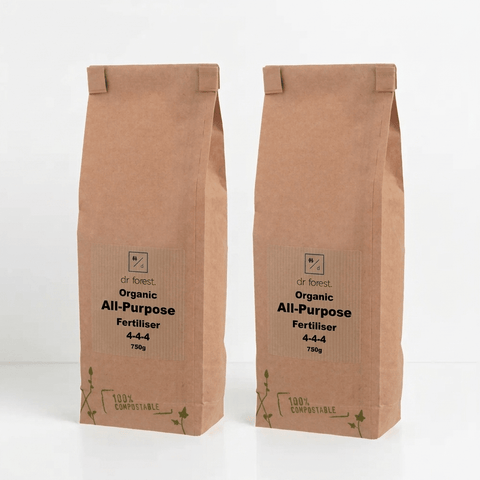
46% of buyers here also chose Organic All Purpose Fertiliser 4-4-4
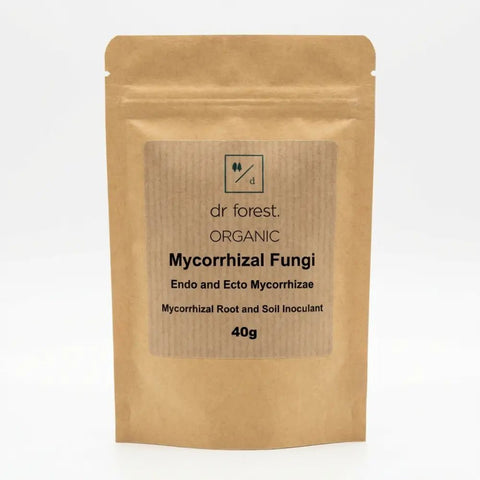
Mycorrhizal Fungi Powder | 18 Species, Endo + Ecto
A root inoculant, 18 endo and ecto species.
from £6.99

Cal-Mag for Plants | pH-Neutral Calcium & Magnesium Feed
Adds calcium and magnesium for firm growth and fewer deficiencies.
from £10.49


